When you call a pest control company out to your Montgomery home, you're paying for results. The technician leaves, the bill gets paid, and then what. Did it work. How do you actually know if the treatment did what it was supposed to do, or if you're about to spend another few hundred dollars on a follow-up visit that shouldn't have been necessary. This is a real question, and the answer depends on which pest you're dealing with and how much time you give the treatment to do its job.
You Need a Baseline Before You Can Measure Anything
The honest truth is that most homeowners don't know how bad the infestation was before treatment. You call because you've seen a few bugs or gotten a few bites. The technician shows up, treats the problem, and leaves. Without knowing the actual scope of what was there, it's hard to know if things got better.
Before your next service, start paying attention. How many mosquitoes are you seeing on your back patio in the early evening. Are you finding roaches in your kitchen cabinets. How many times a week are you getting bitten. Write it down or take a photo. This becomes your baseline. After treatment, compare what you see and experience to this starting point. That's how you measure real improvement.
Different Pests Show Results on Different Timelines
Mosquitoes are not roaches, and roaches are not fire ants. Each one responds to treatment differently, and each one takes a different amount of time to show clear results.
For mosquitoes, you should notice a difference within a day or two. The treatment targets adult mosquitoes and disrupts breeding in standing water. If you're still getting swarmed on your patio a week after treatment, something didn't work as intended. Mosquitoes in the Montgomery area breed fast, especially in our humid summers, so timing matters. If it's been raining a lot, new breeding sites pop up constantly, and you may need more frequent treatments.
Roaches take longer. A good treatment will reduce visible roaches within three to five days, but it can take two to three weeks to see the full effect. Roaches hide in walls and under appliances. The poison or bait needs time to work through the population. If you see roaches crawling around the same way two weeks after treatment, the treatment didn't work or the infestation is too large for a single service.
Ants and fire ants show results in stages. Worker ants die quickly, but the colony is underground or in the walls. You might see fewer ants within days, but the colony itself takes longer to collapse. If you're still seeing active ant trails or getting stung a month after treatment, you're dealing with a persistent problem.
What You Should Actually See Happening
After a mosquito treatment, your outdoor space should feel noticeably less buggy. You should be able to sit on your porch without swatting constantly. If you're still getting bitten every few minutes, the treatment didn't hold.
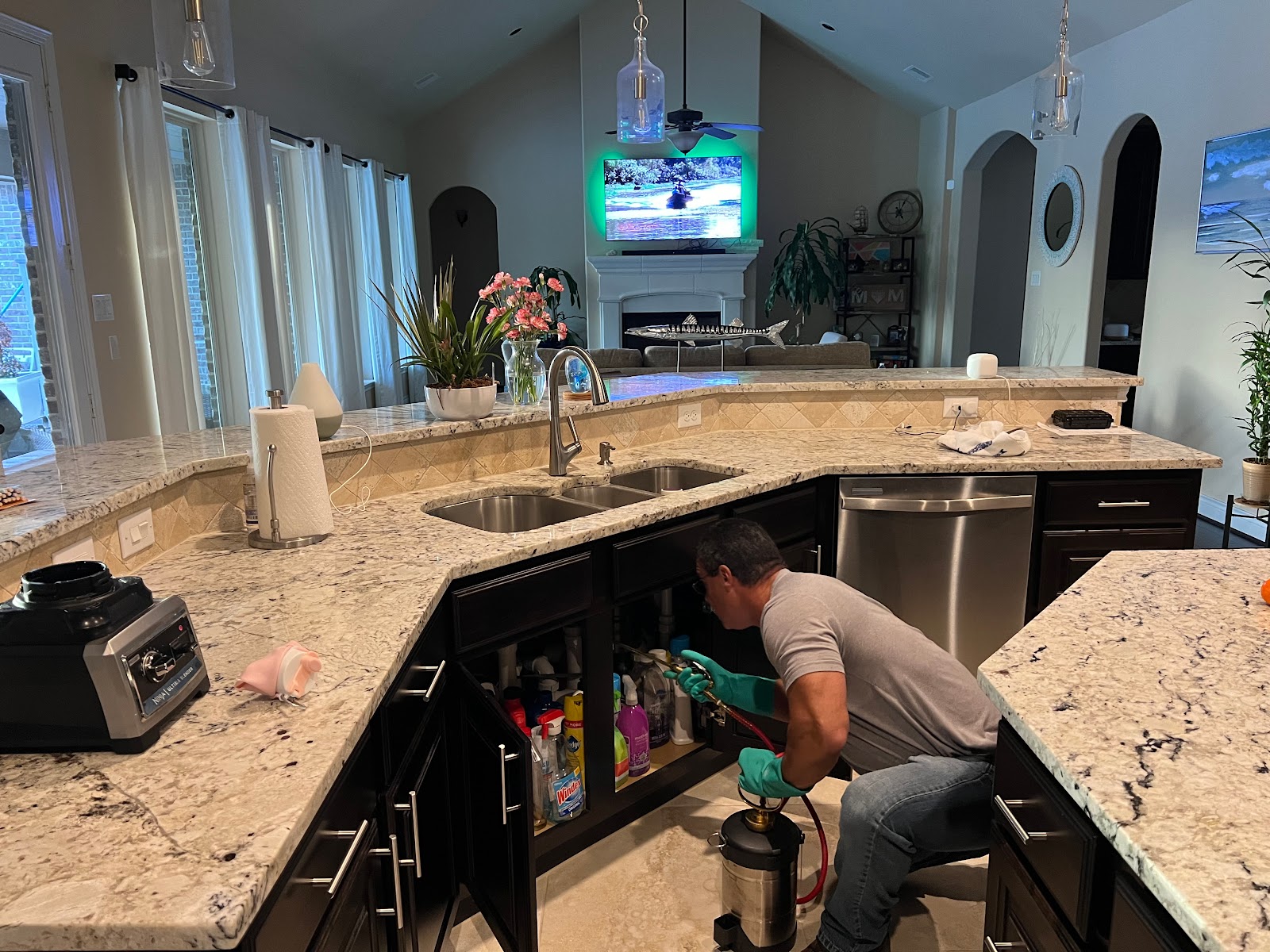
After a roach treatment, you might see dead roaches for a few days. This is actually a good sign. It means the treatment is working. But after a week, you should see far fewer live roaches than before. Check the same spots you saw them before: under the sink, behind the stove, in dark corners of the pantry. The activity should drop.
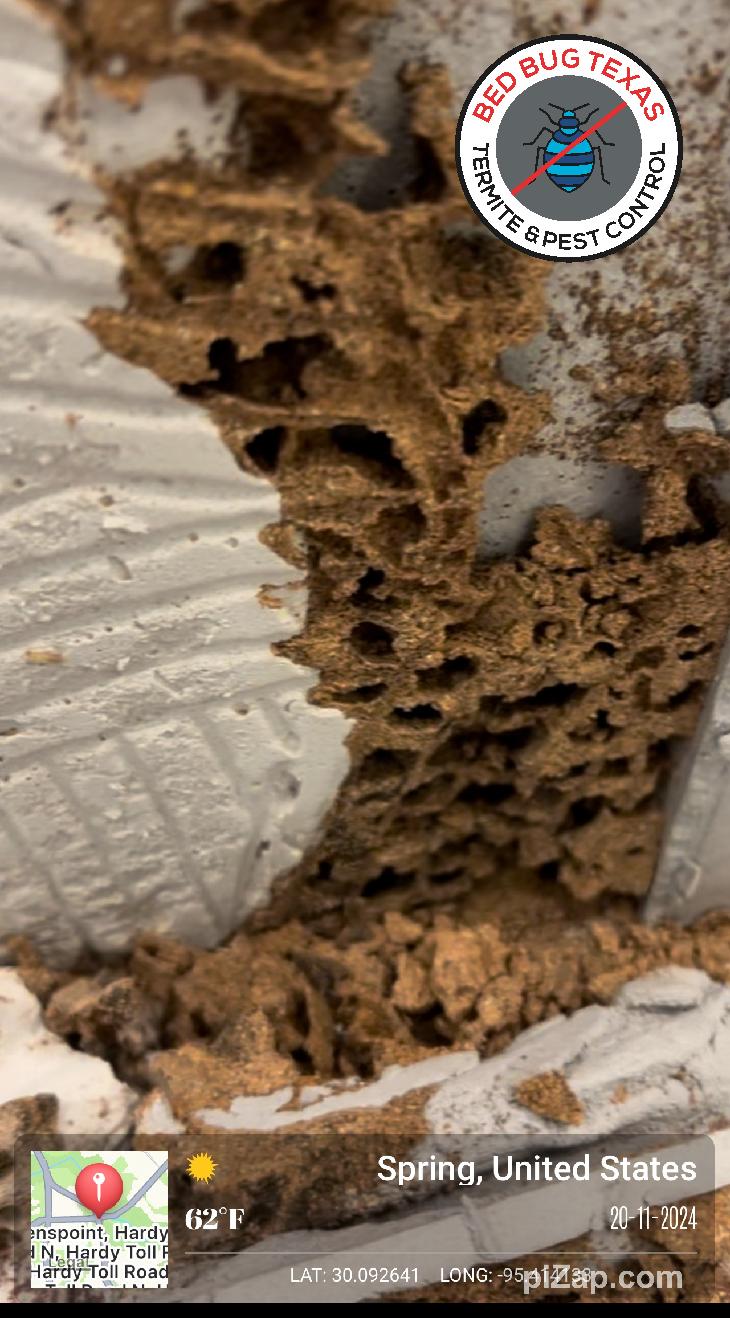
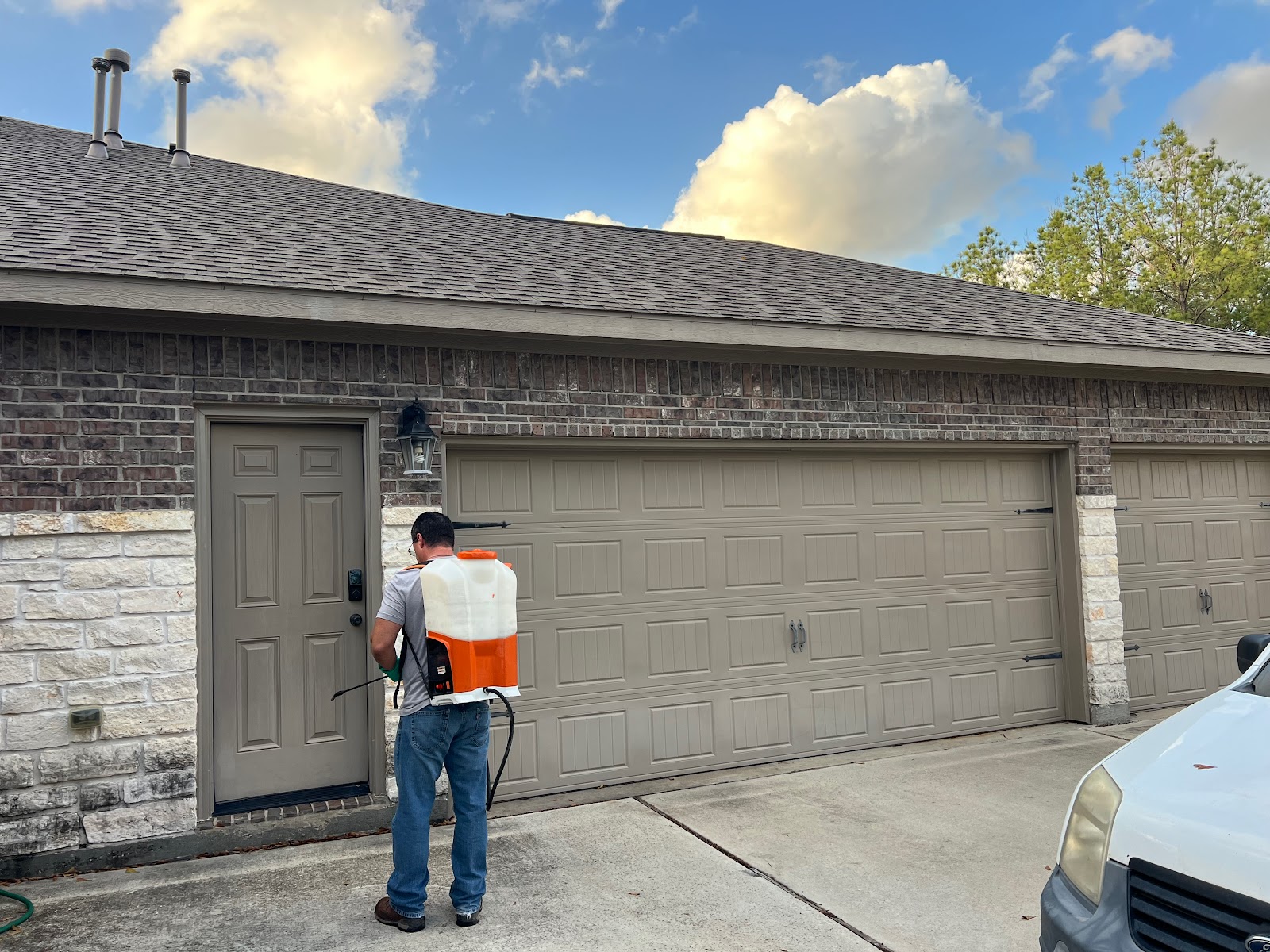
For general pest control around your home, look at entry points. Are bugs still finding their way inside. Are there still visible pest trails or droppings. A treatment should reduce these signs noticeably within a week.
When It's Time to Call Back
Not every treatment works perfectly on the first try. Sometimes the infestation is bigger than estimated. Sometimes weather interferes. Sometimes a pet or kid disturbed the treated area.
If you don't see improvement after the timeline that makes sense for that pest, call your technician back. Don't wait three months. Don't assume it's normal. Guardian Mosquito & Pest Control offers follow-up services, and a good company will come back to reassess if the first treatment didn't hold. You shouldn't have to pay full price for a re-treatment if the original service failed to deliver.
Keep Records and Stay Consistent
Take photos of problem areas before treatment. Take photos a week after. Note dates and what you observed. If you need a follow-up, this record shows the technician exactly what's happening and helps them adjust the approach.
Also remember that pest control is sometimes ongoing, especially for mosquitoes in Texas. A single treatment might last four to six weeks, depending on weather and rainfall. That doesn't mean it failed. It means you're in a climate where pests thrive year-round, and you might need seasonal maintenance.
Know What Success Actually Looks Like
Success doesn't mean zero pests forever. It means a dramatic reduction in what you were dealing with. It means you can use your yard again. It means you're not finding roaches in your kitchen. It means you're not waking up covered in bites. Real success is measurable against where you started.
If Guardian Mosquito & Pest Control has treated your Montgomery home and you're unsure whether it worked, call us back. We're happy to walk through what you're seeing and whether a follow-up is needed. Results matter, and we stand behind our work.