When you call a pest control company because you've heard scratching in your walls or found droppings in your pantry, the first thing that needs to happen is a real inspection. Not a quick walk-through. Not a guess. A proper rodent inspection tells you what you're dealing with, where the problem lives, and what it's going to take to fix it. Guardian Mosquito & Pest Control does these inspections in Montgomery homes and businesses regularly, and the process is straightforward but thorough. Understanding what happens during that visit helps you know what to expect and why the work costs what it does.
The Initial Walk-Through and Interview
The inspection starts before we even look for rodents. We talk to you about what you've noticed. When did you first hear the noise? Where in the house? Have you seen droppings, and if so, where? Do you have pets, and have they been acting unusual around certain areas? This conversation matters because rodents leave patterns. They travel the same routes. They nest in specific spots based on what's nearby. A homeowner's observations often point us toward the problem areas faster than guessing would.
Checking Entry Points and Exterior
Rodents get inside through gaps and holes. We walk the perimeter of your home or building looking for cracks in the foundation, gaps around pipes where they enter the house, damaged weatherstripping, holes in soffits, and gaps under doors. In Montgomery, the warm climate means rodents stay active year-round, and they're persistent about finding ways in. We also check for vegetation that's touching the roof or siding, which gives them a highway into your attic. If there's stored firewood, pallets, or debris stacked against the building, rodents use those as staging areas. We document all of this because sealing entry points is how you stop the problem from coming back.
Interior Inspection for Signs and Activity
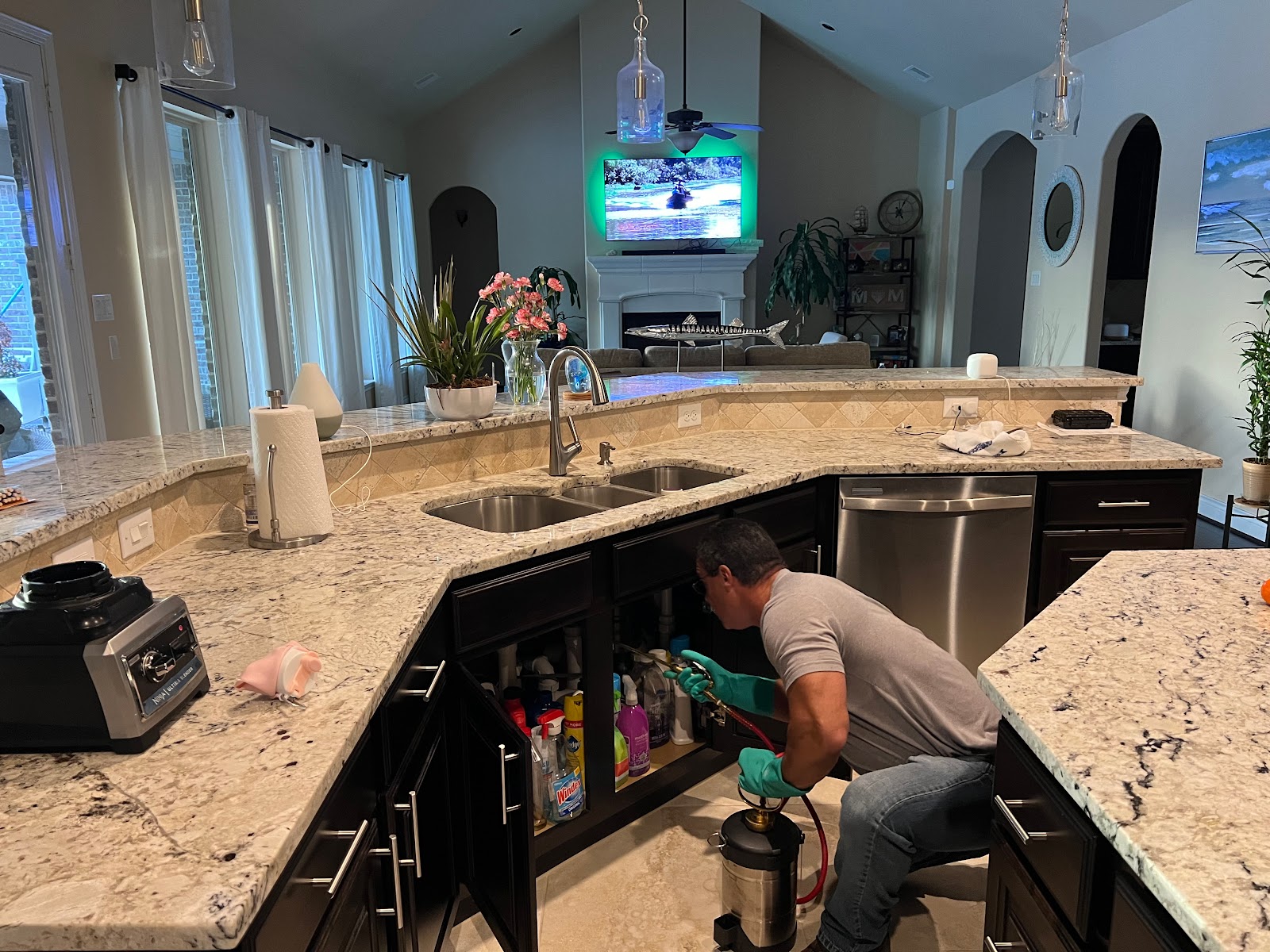
Inside, we're looking for evidence. Fresh droppings are darker and soft. Old droppings are gray and crumbly. The location tells us a lot. Droppings along baseboards and in cabinets suggest regular travel routes. Droppings in the attic or crawl space mean they're nesting up there. We check inside cabinets, under sinks, in pantries, and behind appliances. We look at insulation in the attic for gnaw marks and nesting material. We inspect ductwork, as rodents sometimes travel through HVAC systems. We check storage areas and basements. In Montgomery homes, we pay particular attention to areas near water sources since our humidity attracts rodents looking for moisture.
Identifying the Rodent Type
Not all rodents are the same, and the type matters for treatment. Roof rats are smaller and climb. They nest high in attics and trees. Norway rats are larger and burrow. They stay lower, in crawl spaces, basements, and under structures. House mice are tiny and can slip through quarter-inch gaps. Identifying which species you have tells us where to focus traps and baits and what exclusion work will actually work. We do this by looking at droppings, the size of holes, the location of activity, and sometimes by finding nesting material.
Measuring the Scope
A single mouse in your garage is different from an active infestation in your walls. During the inspection, we're assessing how extensive the problem is. Are we seeing fresh activity in multiple areas? Is there old evidence mixed with new? How many entry points are we finding? This determines whether you need a simple baiting program or a full exclusion and treatment plan. It also affects pricing. We're honest about this with customers. A small problem costs less to fix than a large one, and we tell you which category you're in.
Creating the Action Plan
At the end of the inspection, we sit down with you and explain what we found. We show you photos or point out the problem areas if you want to see them. We explain what rodents are present, where they're entering, where they're nesting, and what activity level we're seeing. Then we recommend a treatment plan. This typically includes sealing entry points, placing traps or bait stations in strategic locations, and scheduling follow-up visits to monitor progress. We explain why each step matters so you understand what you're paying for.
The Cost of Doing It Right
A thorough inspection takes time, and that's reflected in the service cost. But it's the foundation of actually solving the problem. A cheap or rushed inspection often leads to incomplete treatment, which means the rodents come back. Then you're paying again. The inspection is where we earn your trust by being specific about your situation instead of just selling you a generic package.
If you're dealing with rodent activity in Montgomery, call Guardian Mosquito & Pest Control and schedule an inspection. We'll tell you exactly what's happening in your home and what it takes to stop it.