Rodents don't just show up in your Montgomery home by accident. They follow a path, and that path usually starts at one of a handful of common entry points that most homeowners don't think about until they hear scratching in the walls at 2 a.m. Understanding where these openings are and why rodents find them is the first step to actually keeping them out instead of just trapping them after they've already moved in.
Gaps Around Pipes and Utilities
The most overlooked entry point in Montgomery homes is the space around pipes, electrical lines, and HVAC ducts where they enter the house. These gaps exist because plumbers and electricians cut holes just large enough for the pipe or wire, not the gap around it. A mouse needs only a hole the size of a dime. A rat can squeeze through a gap the size of a nickel. When you look under your sink or in your crawl space, you'll often see these holes were never sealed at all. Steel wool and caulk can close small gaps, but for larger openings around multiple utilities, you need to use a combination of steel mesh and foam sealant. The key is that rodents can't chew through steel wool the way they can through plastic or rubber.
Foundation Cracks and Exterior Walls
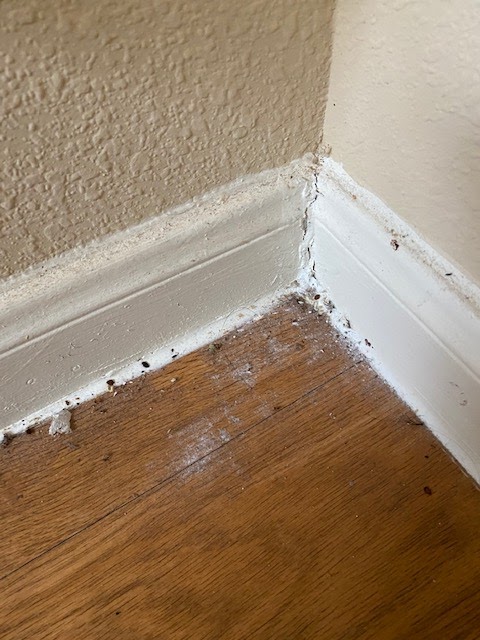
Montgomery's soil and humidity create conditions where foundation settling and small cracks develop over time. A crack that looks too small to matter is often exactly the size a mouse is looking for. Walk around your home's perimeter, especially on the side facing away from your yard where you might not notice it as often. Pay attention to where your brick or siding meets the foundation. If you see daylight through a gap, rodents see an invitation. Larger cracks in the foundation itself need to be sealed with concrete patching compound. Smaller gaps where the siding meets the foundation can be filled with exterior caulk rated for your climate.
Damaged or Missing Weather Stripping
Your exterior doors are another common entry point, and this one you can inspect easily. Check the weather stripping around your front door, back door, and garage entry. In Montgomery's humidity, rubber and foam weather stripping deteriorates faster than most homeowners realize. If you can see light under the door, rodents can get through. This is one of the cheapest fixes you can make. New weather stripping costs under twenty dollars per door and takes fifteen minutes to install. Make sure you're using the right type for your door style, whether it's a kerf-type strip for wood doors or a self-adhesive foam strip for metal doors.
Vents and Exhaust Openings
Dryer vents, bathroom exhaust vents, and range hood vents are designed to let air out of your home, but they also let rodents in if they're not protected. Many of these vents have flapper doors that are supposed to close when the vent isn't running, but the flapper can wear out or get stuck open. Check that yours actually closes completely. If it doesn't, or if there's no flapper at all, you need to install or replace it. Rodent-proof vent covers are available at any hardware store and cost between fifteen and forty dollars depending on the vent size. Make sure the cover has a one-way flapper and that the mesh is small enough that rodents can't chew through it.
Attic Vents and Soffit Openings
Your attic ventilation is critical for managing Montgomery's heat and humidity, but it's also a highway for rodents if it's not screened properly. Soffit vents, gable vents, and ridge vents all need to be covered with hardware cloth or quarter-inch mesh screening. Many older homes in Montgomery have vents that were never screened at all. Rodents are excellent climbers and can reach your attic from the ground. Once they're in the attic, they're in your home. Screening these vents is a job you can do yourself if you're comfortable working at height, or you can have it done professionally. Either way, it's essential to address.
Garage Doors and Gaps
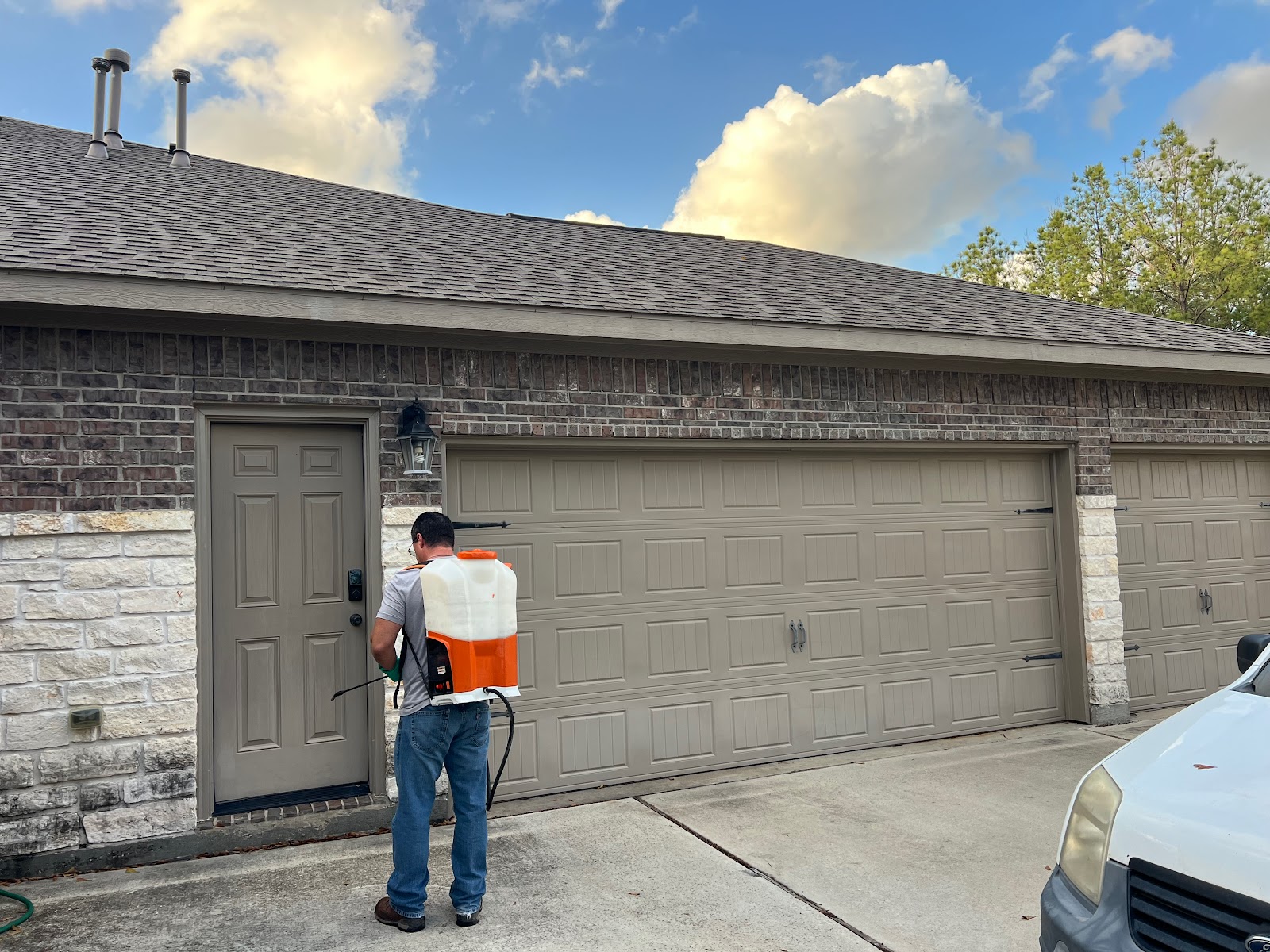
Your garage door itself can be an entry point if the rubber seal at the bottom is damaged or missing. Check that seal along the entire width of the door. If it's cracked, compressed, or missing in spots, replace it. This is also true of any gaps between the door and the frame on the sides. Additionally, make sure any personnel doors to your garage from the house have proper weather stripping and close completely. The garage is often where homeowners store pet food or other items that attract rodents, so sealing it properly matters even more.
Getting ahead of rodent problems in Montgomery means walking around your home with a critical eye and sealing what you find. These entry points don't close themselves, and every month you wait is another month rodents have to find their way inside. If you've already spotted signs of rodents or you want a professional inspection to catch what you might miss, Guardian Mosquito & Pest Control can help. Call us to schedule a walkthrough of your home and get a clear plan for keeping rodents out.