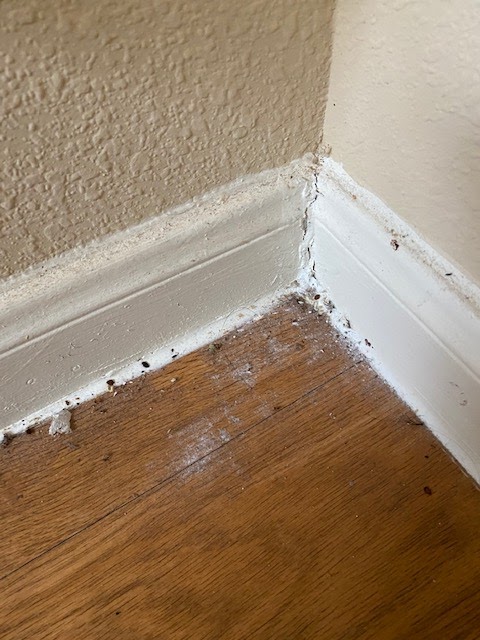
Finding droppings in your attic or crawl space is never pleasant, but it's also not a reason to panic. The first thing to do is figure out what you're dealing with, because the animal matters and the cleanup matters. Rodent droppings look different from bat droppings, and what you do next depends on which one you've got. In Montgomery, where humidity and heat create ideal conditions for pests year-round, attic and crawl space infestations are common. The good news is that identifying the problem early and taking the right steps can prevent a small issue from becoming a serious one.
Identify What Left the Droppings
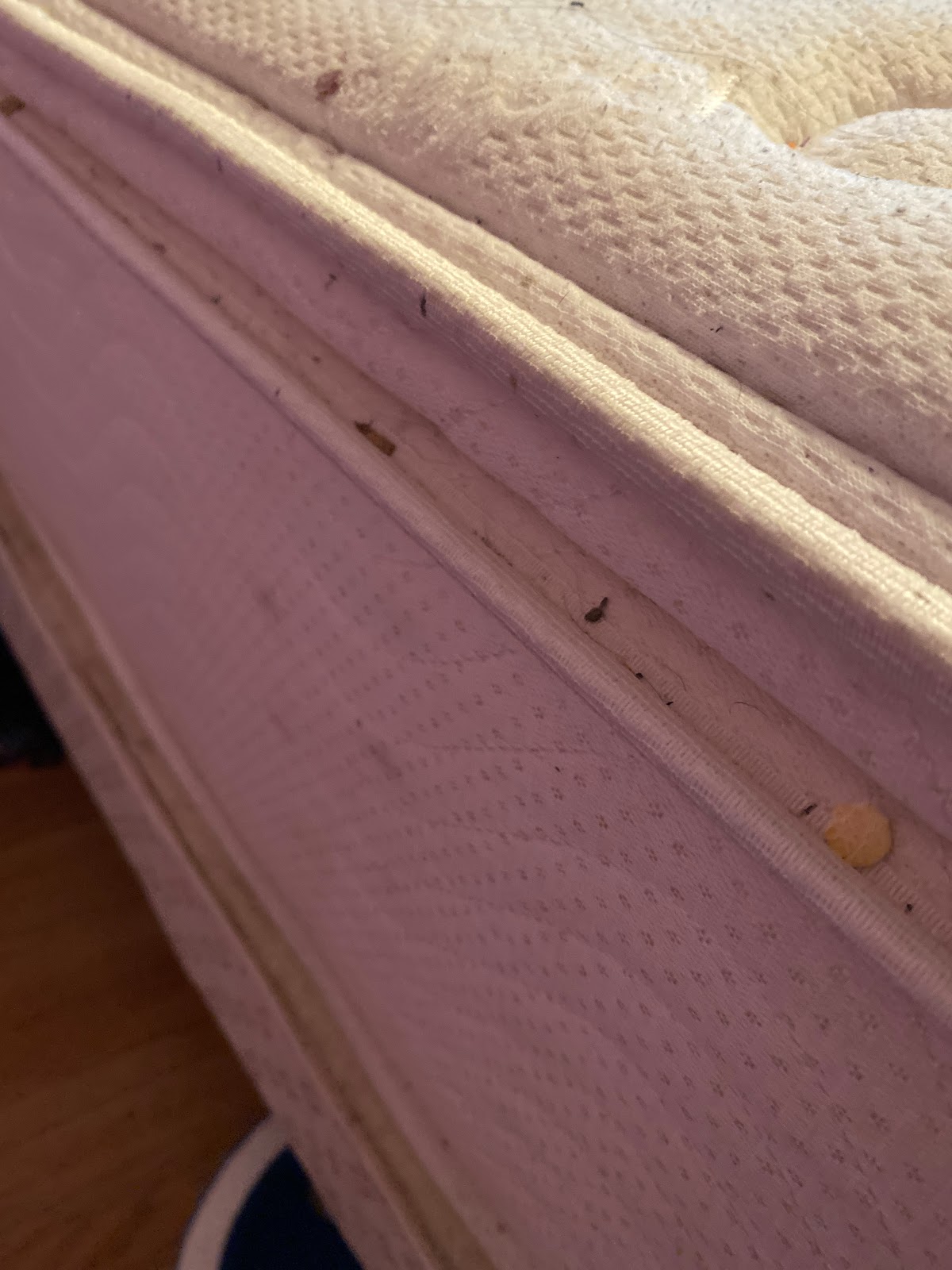
The type of dropping tells you what animal is in your space. Rodent droppings, whether from rats or mice, are small, dark, and shaped like grains of rice. They're usually scattered across surfaces and in corners. Bat droppings, called guano, are smaller and crumbly, almost like coffee grounds. They tend to pile up directly below where bats roost. Squirrel droppings are larger and rounder than rodent droppings, often found along beams or near entry points. If you see large, tubular droppings with a white tip, that's likely raccoon waste. Each animal behaves differently and requires a different removal strategy, so getting this right matters.
Don't Clean It Up Yourself Without Protection
This is important. Droppings from rodents and bats can carry hantavirus and histoplasmosis, both serious respiratory illnesses. If you stir up dust from old droppings, you risk inhaling spores. If you do decide to clean small amounts yourself, wear an N95 mask, gloves, and eye protection. Spray the droppings lightly with a disinfectant solution first to keep dust down, then carefully collect them in a sealed bag. Never vacuum or sweep droppings dry. For large accumulations or if you're unsure about safety, call a professional. In Montgomery, the heat and moisture in attics and crawl spaces can make these spaces uncomfortable to work in anyway, so professional removal makes sense.
Check for Entry Points and Damage
Once you know what animal you're dealing with, look around the space for how it got in. Rodents squeeze through openings as small as a dime. Bats enter through gaps in fascia boards, vents, and chimney areas. Squirrels and raccoons need larger openings but can enlarge small holes quickly. Look for chewed wood, torn insulation, and damaged ductwork. Pay special attention to areas where pipes or wires enter the attic or crawl space. These are common entry points. Make notes of what you find, take photos if you can, and use this information when you call for help. A good pest control company will do a full inspection anyway, but knowing what you've already spotted helps them move faster.
Address the Cleanup Properly
Small amounts of fresh droppings can sometimes be cleaned with disinfectant and paper towels, but large accumulations should be handled by professionals. If insulation is contaminated, it often needs to be replaced. Bat guano can accumulate heavily in certain areas and requires careful removal to avoid releasing spores. After the physical cleanup, the space should be disinfected. Many crawl spaces and attics also need improved ventilation and moisture control to prevent future infestations, since damp conditions attract pests.
Prevent Future Infestations
After cleanup, prevention is your best tool. Seal entry points with caulk, steel mesh, or hardware cloth. Rodents can chew through plastic and wood, but they struggle with steel. Check roof vents and make sure they have intact screens. Keep tree branches trimmed back from your roof and gutters clear of debris. In Montgomery's humid climate, crawl space moisture is a real issue. A dehumidifier or proper ventilation can make these spaces less attractive to pests. Inside your home, store food in sealed containers and don't leave pet food out overnight.
When to Call a Professional
If you find droppings in your attic or crawl space and you're not sure what animal caused them, or if the accumulation is large, contact Guardian Mosquito & Pest Control. We can identify the pest, safely remove droppings, seal entry points, and set up monitoring to make sure the problem doesn't return. The cost of professional removal is usually far less than the cost of dealing with structural damage or health issues later. Call us today to schedule an inspection.